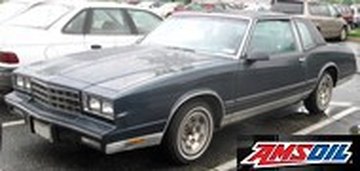
Maintaining Lubrication Integrity for the 1981 Chevrolet MONTE CARLO 4.4L
Proper engine maintenance is a cornerstone of long-term vehicle health, particularly when managing an engine from the early 1980s. For the 1981 Chevrolet MONTE CARLO equipped with the 4.4L engine, consistent attention to lubrication and fluid integrity ensures that mechanical components continue to operate within their intended parameters. While many modern vehicles benefit from automated monitoring systems, older engines often require more hands-on observation from the owner to identify potential issues before they escalate.Monitoring Fluid Condition and Potential Seepage
A primary aspect of routine service involves a thorough visual inspection of the engine bay. Rather than waiting for a scheduled service interval, periodic checks can reveal subtle changes in the vehicle's operating state. Owners should look for any signs of fluid seepage around various gaskets and seals. While some level of very light moisture may be present on older components, any active dripping or significant wetness warrants closer investigation. When inspecting the engine area, pay attention to the cleanliness of the surrounding surfaces. Accumulated grime can often mask small leaks, making it difficult to pinpoint a source. If you notice fresh fluid pooling near the bottom of the engine or staining on the underside of the chassis, this may indicate that a seal is no longer providing an effective barrier. Additionally, checking the appearance of the oil itself can be informative. Oil that appears excessively dark, gritty, or contains visible particulates should be addressed promptly. Such changes in appearance can be associated with various factors, including extended intervals between service or the presence of contaminants within the system.Observing Operational Indicators
Beyond visual inspections of the engine bay, how the vehicle behaves during operation provides critical feedback. Changes in how the 4.4L engine sounds or performs can sometimes be linked to lubrication status. For instance, unusual mechanical noises that occur specifically during startup or while the engine is idling may warrant an inspection of the lubrication system's effectiveness. It is also important to monitor for any unexpected changes in fluid consumption. If you find that you are needing to add oil more frequently than in previous months, this is a signal to investigate further. Such a change does not automatically point to a single failed component; rather, it serves as an indicator that the engine's sealing or consumption characteristics have shifted. Similarly, any changes in exhaust output—such as smoke that appears differently than usual—should be noted and investigated by a professional to determine the underlying cause. Always remember that multiple factors can contribute to these symptoms, so a systematic approach to diagnosis is necessary.Prioritizing Maintenance Based on Current Condition
As vehicles age, the strategy for maintenance often shifts from strictly following a calendar-based schedule to a more condition-based approach. For an owner of a 1981 Chevrolet MONTE CARLO, this means prioritizing tasks based on what the vehicle actually requires at any given moment. If you are stepping into ownership without a complete service history, establishing a maintenance baseline is a logical first step. This process involves reviewing all available records to see what has been performed recently and identifying any gaps in service. If documentation is unavailable, performing a comprehensive inspection of all fluids, filters, and aging components allows you to create a new starting point for your maintenance regimen. Once this baseline is established, you can focus on addressing active concerns—such as minor leaks or aging belts (if equipped)—before moving on to broader preventive measures. This method ensures that resources are directed toward the most pressing needs of the engine, helping to maintain stability in its performance.Managing Aging Components and Materials
The materials used in automotive construction, including various rubber-based hoses and belts, are subject to environmental degradation over time. Even if a vehicle is not driven frequently, these components can become brittle or lose their flexibility due to heat cycles and age. When performing routine checks, it is useful to inspect any accessible belts for signs of cracking, glazing, or fraying. Similarly, if the engine utilizes various hoses for fluid transport, checking them for softness, swelling, or hard spots is a prudent practice. Electrical connections and wiring harnesses should also be monitored. Over several decades, insulation can become brittle, and connectors may develop corrosion, which can affect the reliability of various engine-related sensors or ignition components (if applicable). Maintaining clean and secure electrical paths is just as vital to engine health as maintaining fluid levels. By treating these inspections as part of a regular routine, you can identify aging materials before they lead to unexpected interruptions in service.The Role of Consistent Lubrication Management
Effective lubrication serves several roles within the 4.4L engine. Beyond simply reducing friction between moving parts, the oil acts as a medium for managing heat and helping to suspend small amounts of debris that may enter the system during operation. Maintaining the cleanliness of the lubricant is essential for preventing the buildup of deposits or sludge, which can occur if the oil is allowed to oxidize or become heavily contaminated over time. Regularly checking fluid levels ensures that the engine always has an adequate supply to perform these functions. A lack of sufficient lubricant can lead to increased thermal stress and accelerated wear on internal components. By staying proactive with inspections and adhering to a consistent service routine, you help ensure that the lubrication system remains capable of protecting the engine's internal architecture throughout its service life.Practical Guidance for Buying Engine Oil for your 1981 Chevrolet MONTE CARLO 4.4L
When it is time to replenish the engine lubricant, the most important step is to match the product to the specific requirements of your application. Because different engines have unique needs regarding chemical composition and flow characteristics, you should not rely on general automotive knowledge or assumptions based on the vehicle's age. Instead, refer directly to the application-specific oil viscosity and requirements listed in the technical information provided on this page. When selecting a product, consider the following:- Verify Viscosity: Match the engine oil to the application-specific viscosity information shown above. Do not use a grade that differs from what is specified for this 4.4L engine.
- Check API Certification: Ensure the oil carries a current and appropriate API service symbol on the label, which confirms it meets modern standards for quality and additive packages.
- Consider Formulations: Depending on your specific needs, you may choose between conventional, synthetic blend, or full synthetic oils. Some high-mileage formulations also contain additives intended for use in aging engines, including seal-conditioning additives that may be beneficial for older seals.
- Inspect the Label: Always read the product packaging thoroughly to ensure the oil is compatible with your specific engine requirements before completing your purchase.